
Your Fertility Plan Deserves a Second Look

You put a lot into this year’s crop. Did you come out of harvest feeling confident in your fertility program—or wondering what you should do differently?
Maybe the yields didn’t match your expectations. Maybe some areas struggled while others performed well. Or maybe you had a good year, but you’re still asking whether every input dollar went where it could do the most good.
When fertilizer costs weigh on your budget, those questions deserve more than another recommendation to apply more.
Before you build your 2027 fertility plan, let’s take a closer look at your fields.
Start with what this season can tell you
Harvest results give us a place to begin the conversation.
Where did the crop perform consistently? Where did it fall short? Did those patterns line up with soil tests, application records, drainage concerns, or something you noticed during the growing season?
A disappointing result doesn’t automatically mean you needed more fertilizer. And a strong yield doesn’t tell us whether every part of your program made economic sense.
The useful question is: what does the information support doing next?
At Greene Crop Consulting, we help growers work through those questions and develop recommendations around their fields, management goals, and budgets.
Fertility is part of the picture. What else should we consider?
Traditional soil testing helps us evaluate nutrient levels and soil chemistry. But those results aren’t the only information worth bringing to the table.
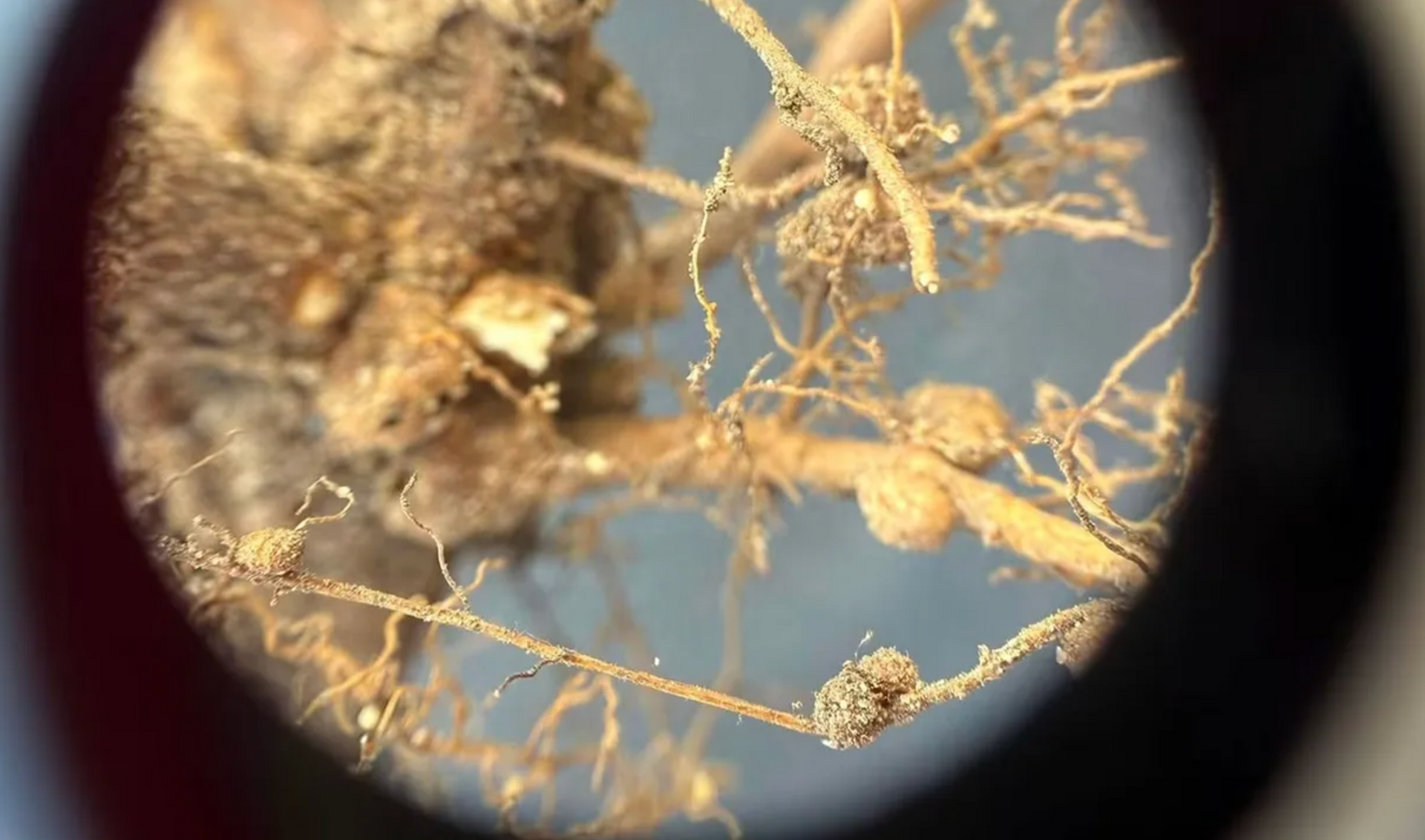
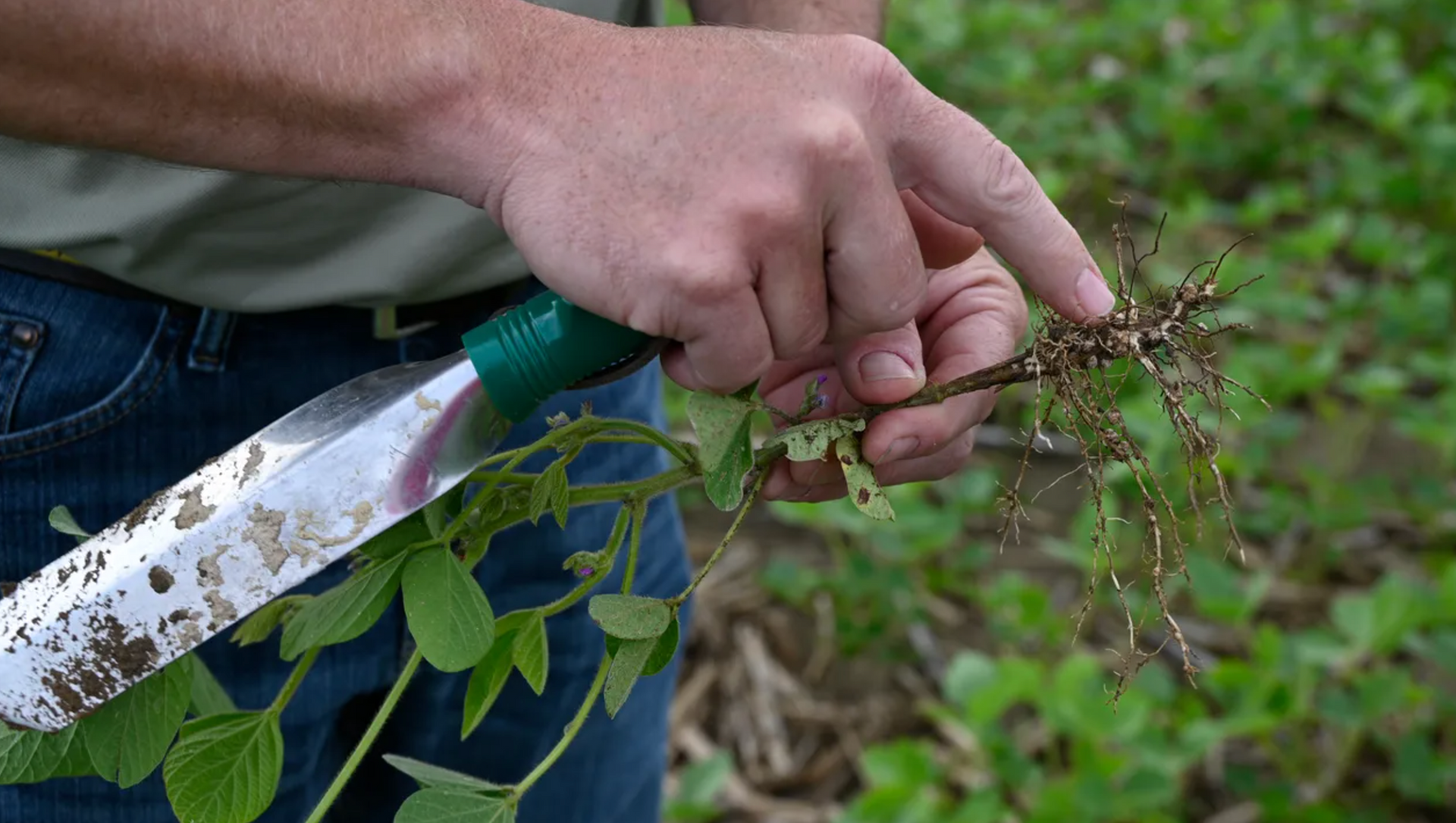
Through EarthOptics TruBio™ testing, Greene Crop Consulting can add information about soil biology, including potential pests and pathogens, to the conversation.
That additional layer can be considered alongside fertility results, field history, and crop performance as we investigate concerns and plan next steps.
TruBio doesn’t replace a fertility test, and one report won’t explain everything that happened in a growing season. Its value comes from putting the results into context—and having someone help you understand what they may mean for your acres.
Let’s build a plan you understand
A fertility recommendation should come with a conversation.
What are we trying to address? Why does a particular recommendation make sense? Where do we have enough information to act, and where would additional sampling help?
Those are the discussions we want to have before another season’s input decisions are made.
Whether you’re questioning a specific field or taking a fresh look at your overall program, we’d welcome the opportunity to work through it with you.
Interested in TruBio sampling?
Fill out the inquiry form below to tell us about your operation and what you’d like to understand better.
The Greene Crop Consulting team will follow up to discuss your questions, whether TruBio sampling fits your needs, and scheduling options.
Let’s take a closer look before you make your next fertility investment.
Contact Our Team