
Your Crop Insurance Checklist

As the 2026 season wraps up, reviewing your production records and crop insurance coverage can help you identify potential claims and keep reporting requirements from slipping through the cracks.
Here’s what to have on your radar.
1) Gather Your Final Harvest Numbers
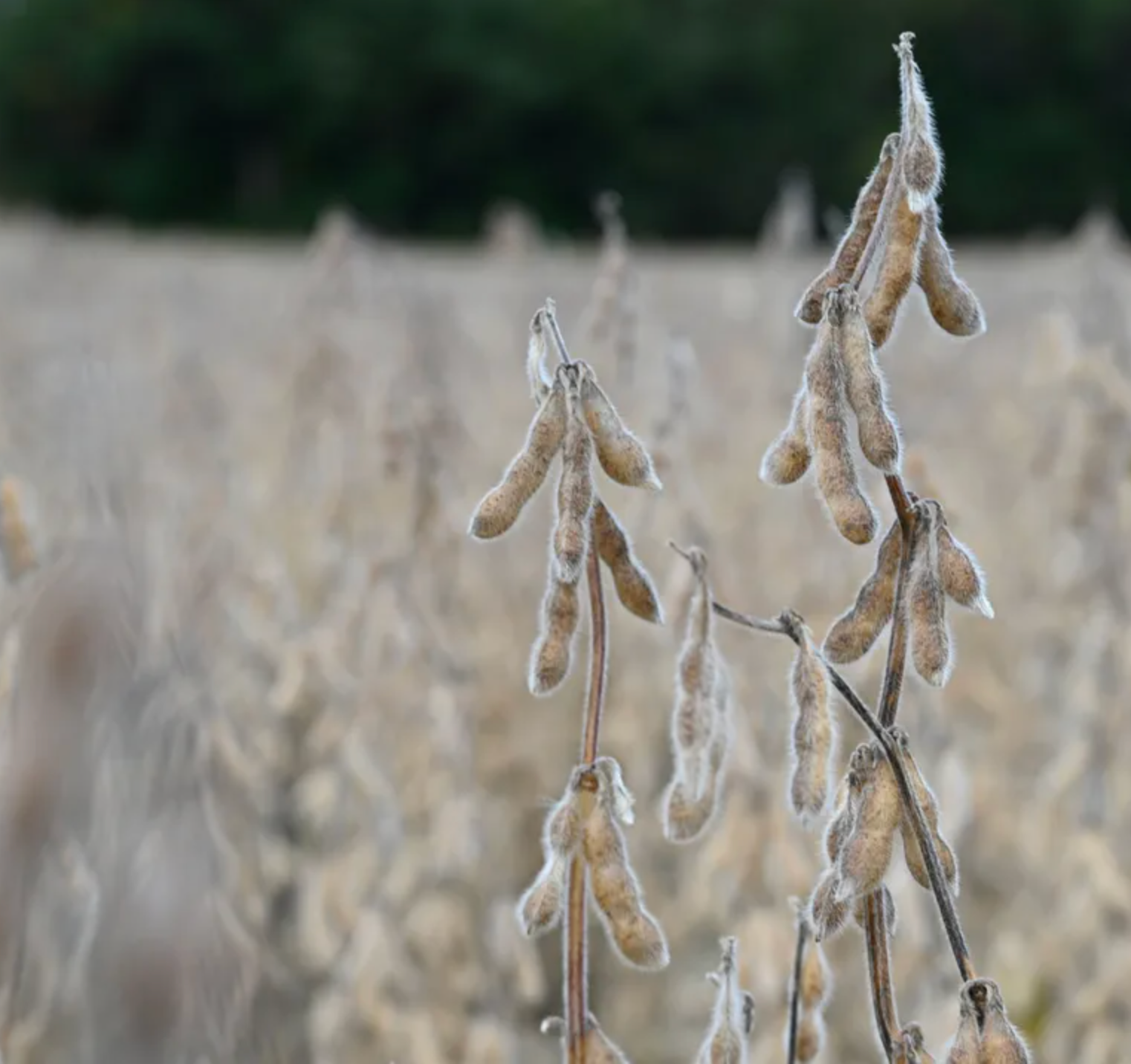
Across the farms we’re seeing locally, corn yields have been coming in on either side of average, while most soybean yields have been above average—especially the early-planted beans.
But local trends only tell part of the story. Your farm’s actual production is what we need to review your results and help determine whether a crop insurance claim may be necessary.
If possible,
please send your final yields to the Greene Crop team
before December 1. Getting that information in early gives us more time to review your records and identify questions that need attention.
If you suspect a loss, contact us right away rather than waiting until December.
2) Understand What Harvest Prices Mean for You
The 2026 harvest prices finished above the spring projected prices for both corn and soybeans:
| Crop | Spring Projected Price | Harvest Price |
|---|---|---|
| Corn | $4.62 per bushel | $4.75 per bushel |
| Soybeans | $11.09 per bushel | $12.63 per bushel |
These are crop insurance pricing values, not local cash bids.
How they affect your coverage depends on your policy and actual production. Your yield alone—or the change in price alone—doesn’t give us the full picture.
Send us your numbers so we can review what they mean for your coverage.
3) Report Potential Losses Promptly
If you think you may have a loss, let us know as soon as possible—even if you’re still gathering your final records.
Crop insurance policies have specific requirements for reporting damage, providing notice of loss, and submitting claims. Notice-of-loss requirements follow your policy’s timelines, and late reporting can jeopardize a claim.
Don’t wait until December 1 to report a suspected loss. Contact us promptly so we can help you identify the next steps and the timelines that apply to your policy.
4) Consider PRF Coverage for Hay & Pasture
Have hay or pasture acreage?
Pasture, Rangeland & Forage (PRF) insurance is another option to consider if you have hay or pasture acreage. Policyholders select coverage periods, with payments made when rainfall is below expectations during those periods.
Talk with Nathan to learn more and review your options ahead of the December 1 signup deadline.
5) Review Your ARC/PLC Options
Alongside your crop insurance review, remember that December 11, 2026, is the deadline for 2026 ARC/PLC election and enrollment through FSA.
Agriculture Risk Coverage and Price Loss Coverage are farm safety-net programs separate from your crop insurance policy.
For the counties we serve, Nathan and Danny’s current starting recommendation is to consider ARC-County for corn and PLC for wheat and soybeans. Farms with especially poor yields may warrant a closer look at ARC-Individual.
Reach out to to discuss your operation’s circumstances, then complete your election and enrollment with your local FSA office.
6) Remember Your Wheat Acreage Reporting
If you planted wheat this fall, keep December 15, 2026 on your calendar for Indiana fall-seeded acreage reporting.
Gather your planted acreage and planting dates, and confirm the requirements for your operation with your crop insurance agent and local FSA office. Make sure both have the information they need.
Want Help?
You don’t have to sort through every detail on your own. Contact Danny and Nathan of the Greene Crop Consulting team to review your results and work through your next steps.