
Bio Ag E: More Than Just Breaking Down Residue
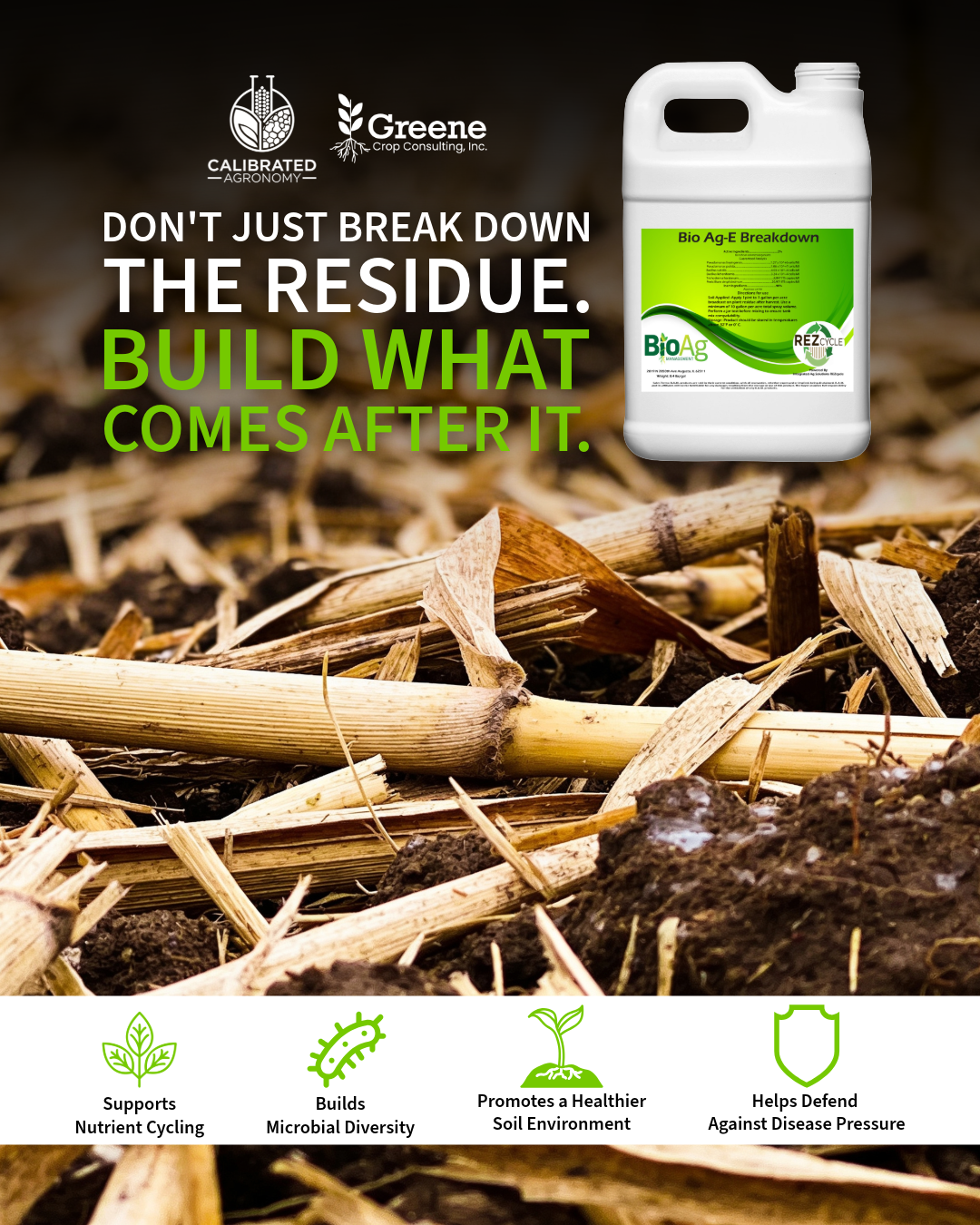
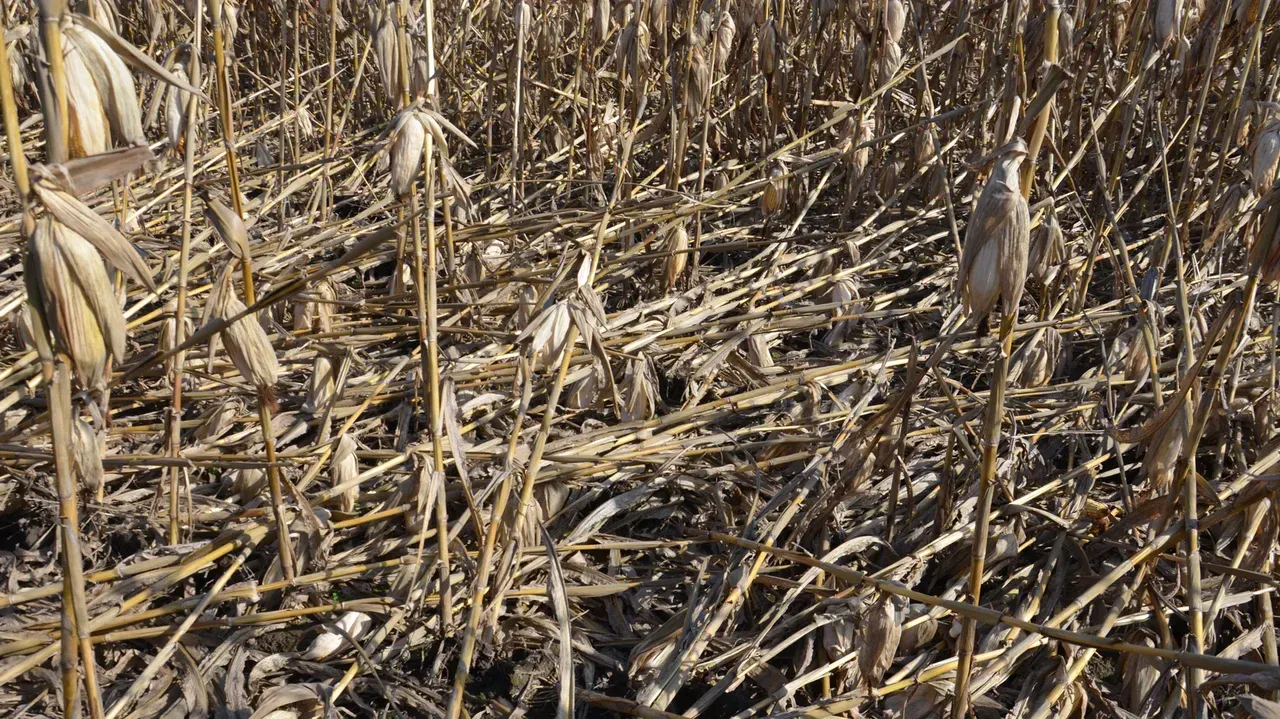
Fall is a great time to put biology to work. Most residue breakdown products are designed primarily to help break down the corn stalks, soybean residue, cellulose, and lignin left behind after harvest. Bio Ag E does that—but it is designed to do more.
Bio Ag E contains biology that helps break down residue while also supporting the organisms that help make nutrients, including phosphorus, more available to the next crop. It helps build a better balance of beneficial fungi, bacteria, and protozoa in the soil. These organisms compete with harmful organisms for food and space, helping create a soil environment that is less favorable for disease-causing pathogens and nematodes.
Think about the disease triangle: host, pathogen, and environment. We can measure disease pathogens in the soil, and we know that many can survive from one year to the next in crop residue and soil. We can’t control everything that happens in a field, but we can work on the environment. Instead of simply breaking down residue that can harbor disease, Bio Ag E helps put beneficial biology back into that environment to compete with the organisms we don’t want. This competition for food and space is called competitive exclusion.
That is what makes Bio Ag E different. We’re not just trying to make last year’s residue disappear. We’re using that residue as an opportunity to build a healthier biological environment for next year’s crop. Bio Ag E can be especially valuable in fields with a history of disease or nematode pressure, cool planting conditions, poor nutrient availability, or soils that need more biological activity.
Think beyond treating the symptoms every season. Put Bio Ag E to work supporting your soil’s biology, and take a proactive approach to disease management for the 2027 season.