
Ear Rots
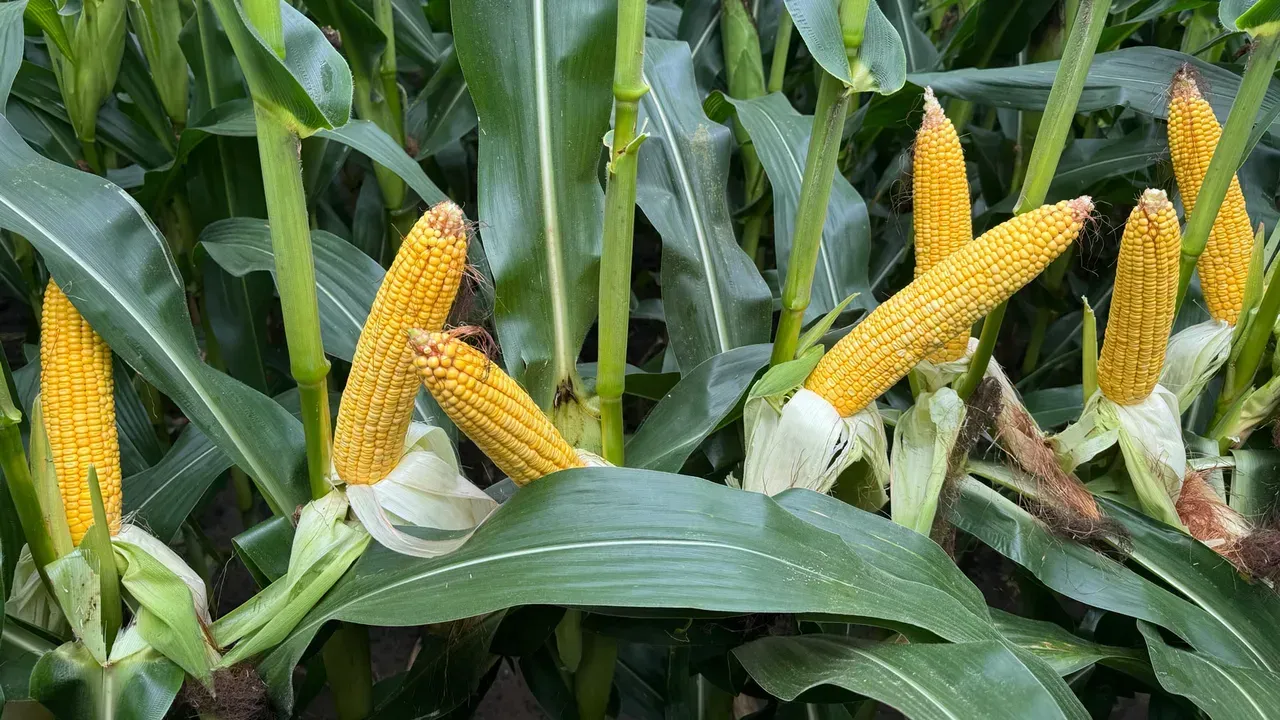
As we visit with farmers shelling corn, several have commented on ear rots this season. This can be a concern for storage and / or cause dockage at the elevators. Recognizing which ear rot is in your field is the first step in managing the situation. Below is a discussion of some common corn ear rots found in our area. If you do not see a description matching an ear rot you have seen on your farm, click the link that follows “Crop Protection Network” under the “Resources” section at the end.
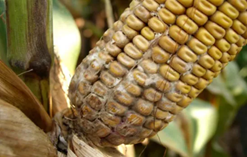
One oommon ear rot is Diplodia . This fungus is usually characterized by a white mold in between the kernels. This fungus will start at the base of the ear and work its way to the tip. Black spore producing structures known as pycnidia can also be found on the ear. These pycnidia will over winter on corn residue and can infect the next corn crop. Dry weather before silking followed by wet conditions will favor infection of corn plants. Conservation and no till practices can cause greater infection rates of Diplodia. Africa and South America instances of Diplodia have developed mycotoxins, however, this has not been observed in North America, to date. Diplodia reduces grain weight resulting in light, chaffy grain as compared with grain of a healthy plant.
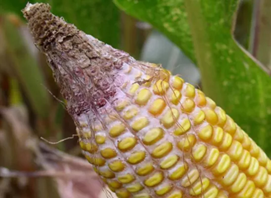
Gibberella ear rot is a fungus that produces a pinkish mold that begins at the ear tip and moves its way down the ear. The fungus over winters on corn stalks and wheat stubble. Wheat fields that had Fusarium head scab can be a source for Gibberella as it is initiated by the same fungi. Gibberella ear rot infection will increase when cool wet weather takes place during early silking. Extended periods of rain in the fall will also increase disease severity. Gibberella is concerning since it produces vomitoxins which are especially harmful when fed to hogs.
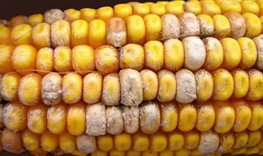
Fusarium ear rot is a fungus in the same genus as Gibberella. This fungus is usually characterized by patchy mold growth around the ear. The affected kernels will have a whitish mold and will sometimes develop a brownish discoloration and white streaks. These white streaks are sometimes called starburst. Fusarium ear rot is usually associated with insect or bird feeding as it tends to follow the feeding of these pests on the ears. The fungus can develop under a wide range of conditions but the most extreme outbreaks tend to follow warm weather with extensive hail or insect damage to a field. Fusarium will have minimum effect on yield. However, the primary concern of fusarium ear rot is the mycotoxin it produces known as Fumonisin. Fumonisin is especially harmful to horses but, it can also be harmful to other livestock and humans.
When dealing with ear rots, it is best to segregate your good grains from diseased. Attempt to keep highly contaminated fields stored in separate bins from healthy bins. This grain should be dried down to 13% and attempt to keep it cool to keep the fungi from growing and spreading in the bin. When harvesting, plan to harvest severely infected fields first and turn up your fan speed to attempt to blow more infected grain out the back. You can do this because most infected kernels will have a lower test weight than healthy kernels. If you have any questions about ear rots and how to manage them, please reach out to us.
Resources:
- Crop Protection Network
- Ohio State
The post Ear Rots appeared first on Greene Crop Consulting.