
Crop Scout and Fall-Applied Herbicides

Greenecropconsulting • October 30, 2020
October 16, 2020

Crop Scout

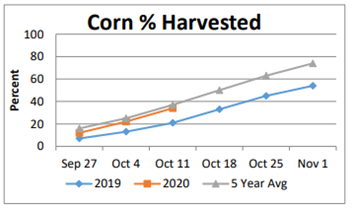
The area is off to a great start with fall harvest. Yields reports have been excellent overall for early planted corn and beans. As of October 11 th , Indiana has harvested 52% of the soybeans and 34% of the corn for grain. Some areas seem to be a bit farther ahead due mainly to planting time this spring.

The ground in south central Indiana is excessively hard and dry due to the lack of rain since the end of August.  This has led to a lack of tillage being conducted in the area. The rains received Thursday may not be enough to move moisture to the depth of the soil profile, but time will tell.  As of October 11 th , 75% of the state fell into either short or very short for topsoil moisture. Several crop fires have been reported in Indiana and Illinois due to equipment fires or other means. It would be a very good idea to form a plan for how you plan to deal with a crop fire if you do face that challenge. Be sure to share the plan with your team.

Fall-Applied Herbicides

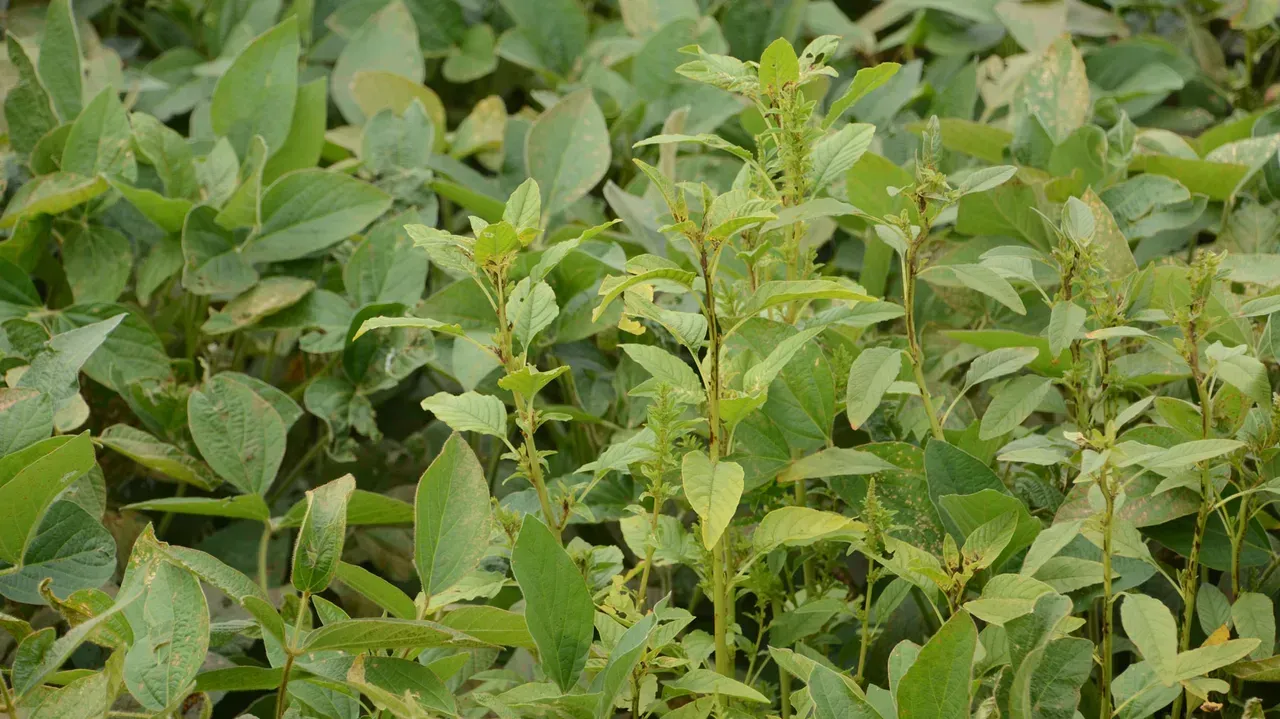
This fall you might consider applying a fall-applied herbicide. The fall is a great time to consider controlling winter annual weeds such as marestail. Marestail is one of the few weeds that is both a winter annual and summer annual. This means that it can germinate at various times of the year and its life cycle can be completed in either the fall-winter-spring or the summer months. Fall provides the opportunity to control small winter annual weeds and have cleaner fields next spring. The best way to know whether you need a fall application of herbicide is to scout your fields. Get out and look for emerging winter weeds and determine whether they warrant control. Start scouting as soon as you harvest a field and pay close attention to fields that have had heavy marestail issues. When applying foliar herbicides, the best and quickest results are often achieved by spraying when you have several days with temps above 50 degrees. However, those days are not always available in November. If overnight temperatures stay above freezing, it is often OK to apply a herbicide. For applications to corn stalks, increase spray volume or decrease spray speed to help make sure you get good coverage. Herbicides that are common to be sprayed in the fall are 2-4D, dicamba, metrobuzin, and glyphosate. Metrobuzin is a residual that is often added when applying early in the fall to carry control through until ground freezes. One program that is popular is metrobuzin, 2-4D, and dicamba. This provides excellent upfront control of weeds and a residual to keep the fields clean until ground freezes. Programs for the fall may cost around $7 – $9 per acre before application costs. Fall herbicides provide a great inexpensive way to control weeds heading into spring and start out on the right foot for the upcoming crop season. Check replant restrictions and always read and follow label directions.  If you have any questions, reach out to our team or your ag retailer.

Resources

Line chart of corn % harvested from Sep 27 to Nov 1 comparing 2019, 2020, and 5-year average.
By Indiana Prairie Farmer August 31, 2026
Our own Danny shares his insights with Farm Progress on how cover crops can support a more effective weed-management strategy.
By Indiana Prairie Farmer August 25, 2026
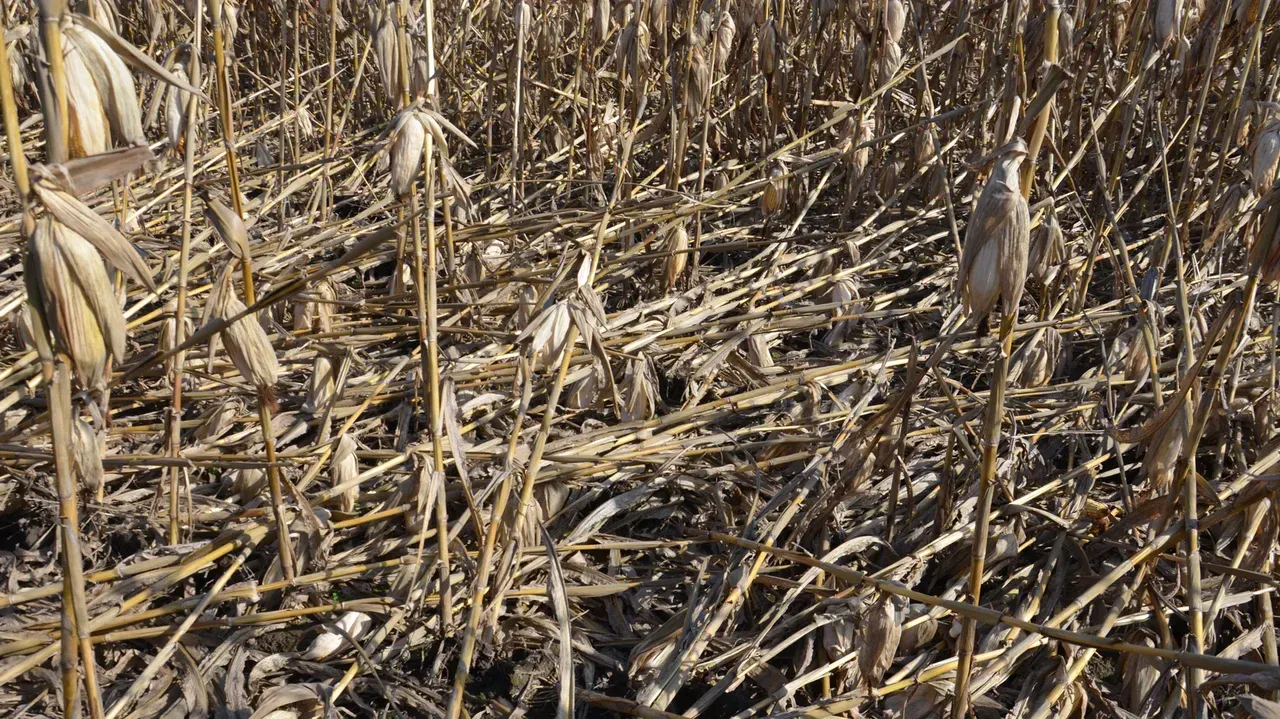
Bowed or “goosenecked” corn can point to more than storm damage. Greene Crop Consulting’s Danny Greene shares what may be happening below the soil—and what growers should investigate before next season. Read his insights in Farm Progress: https://www.farmprogress.com/corn/beat-the-bowed-cornstalks-and-root-lodging
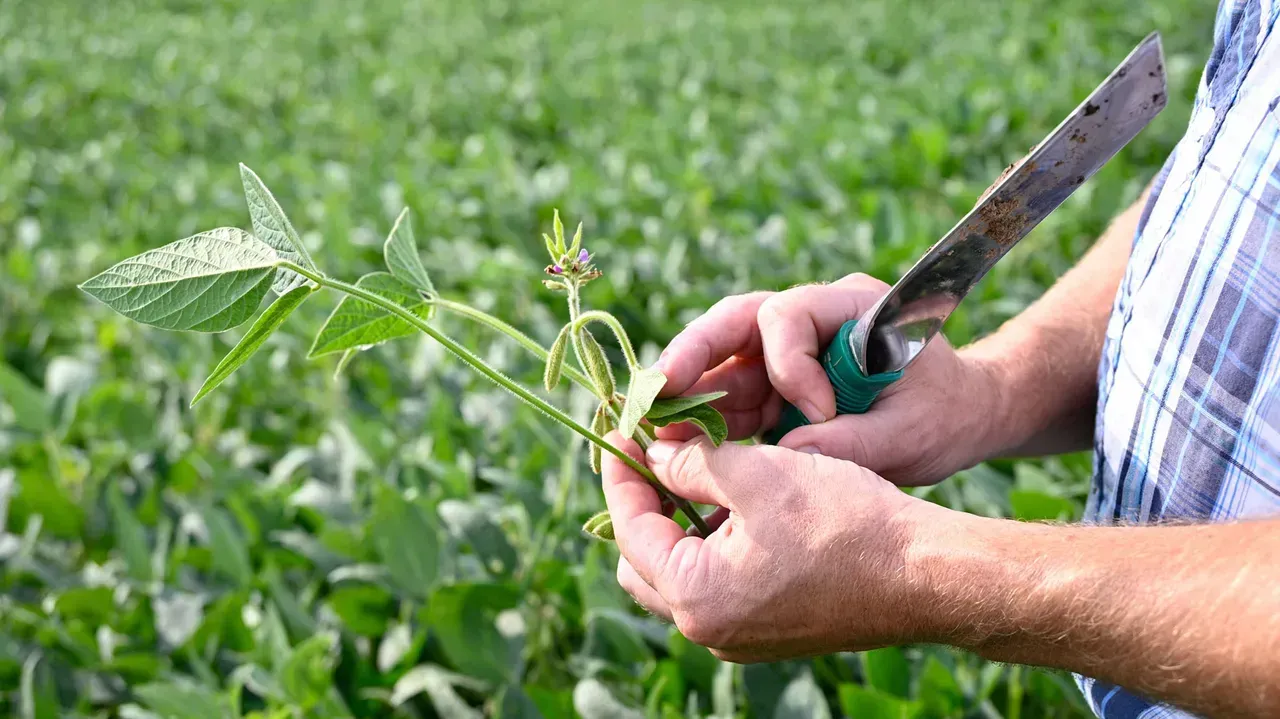
Hands using green pruning shears to cut a plant in a crop field
By Indiana Prairie Farmer August 24, 2026
Evaluate the feasibility of fall-applied sulfur for soybeans. Contact us for expert crop consulting to enhance your production.
Dark storm clouds over a plowed field with a bright break on the horizon
By Greene Crop Consulting August 21, 2026
Get tailored crop insurance solutions for your farm. Contact us for personalized coverage options today!
EarthOptics bottle held in hand with text celebrating Greene Crop Consulting nomination for Dealer of the Year.
By Greene Crop Consulting August 19, 2026
Greene Crop Consulting is nominated for EarthOptics' Dealer of the Year. Join us in celebrating this achievement!
Greene Gazette newsletter
By Greene Crop Consulting August 18, 2026
Get essential updates on tar spot, southern rust, and weather forecasts. Contact us for scouting tips and free diagnostic testing!
Weather update flyer with map of heavy rain and storm impacts, plus safety tips and QR code.
By Greene Crop Consulting August 3, 2026
Learn to identify Phytophthora root rot, rust, & tar spot. Protect your crops with expert advice from Greene Crop Consulting.
Weather update flyer with green notice panel and radar map showing heavy rain over Texas and Louisiana.
By Greene Crop Consulting July 27, 2026
Monitor soybean diseases & manage risks effectively. Contact Greene Crop Consulting for field assessments & expert advice today!
Nutrient guide infographic with green sidebar and side dressing section, showing fields and bulleted tips
By Greene Crop Consulting July 22, 2026
Learn effective side dressing techniques beyond nitrogen. Contact us for insights on nutrient placement & fungicide timing.
Greene Gazette newsletter
By Greene Crop Consulting July 21, 2026
Read about confirmed tar spot & other diseases in Indiana crops. Contact us for expert fungicide recommendations & crop protection tips.