
Lime Source and Crop Insurance
Lime Source
Does choosing your lime source matter? Yes, it does! Not all limes are equal. Lime chemistry and grind are factors that influence the quality of the lime and how it will affect the soil.
Lime sources may have different calcium and magnesium levels. The lime material from quarries in Indiana have calcium contents from 20.5 – 38.3%, while magnesium content ranges from 0.4 – 12.9%. Expect sources with the high calcium to have lower magnesium levels, and vice-versa. This is important because calcium and magnesium affect soil structure. More calcium will help to increase the porosity of the soil, and higher magnesium may make soils “tighter”. However, some soils are low enough in magnesium to initiate a crop deficiency and limit yield. A soil test will help you determine whether a high calcium, high magnesium or intermediate lime source would best match the needs of your field.
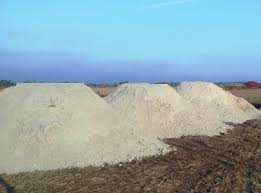
In addition to the chemical composition, the fineness of the grind will affect neutralizing power and speed of change. A finer grind creates a greater overall surface area and allows the chemical process to occur faster, resulting in faster pH changes. From an application perspective, a lime source that has small amounts of more coarse material may spread better due to the larger particles propelling the fine material farther in the spread pattern.
Labs use various terms to describe the lime quality such as Total Neutralizing Power (TNP) and
Effective Calcium Carbonate Equivalent (ECC or CCE). These terms suggest an overall quality of due to the fineness of grind in combination with the lime’s chemical properties. They suggest the value you will get for the dollars you spend. TNP or ECC are good references when you look at lime test results. Bottom line, they suggest how effective at changing pH the lime will be.
Summary: First, when choosing your lime source, use your soil test to figure out what source of lime you need, whether calcium or magnesium lime. Next, find lime results from quarries around you to see what
sources are near and make sense. We have test results from different lime quarries we sampled in our area. Look at the grind, TNP and the cost of the lime. Often, we find that change/$ spent is lower with a more expensive lime! We have linked a video below from our virtual meeting this summer that discusses lime sources and how to choose one. Please reach out with any questions.
Crop Insurance Update
It is November and
harvest is moving toward the finish line. For most of the Corn belt, the crop insurance Harvest Price was recently set for Corn and Soybeans, which both came in higher than the Projected Price. The Harvest Price for Corn is $3.99 (Spring Price $3.88) and Soybeans are $10.55 (Spring Price $9.17). Be sure to get your corn and soybean yields to your crop insurance agent in a timely manner, especially if you think you may have a claim.
If you have a wheat policy, certify with the FSA office soon. Acreage reports need to be completed by early December. If y
o
u have hay or pasture, ask your agent about 2021 Pasture, Range and Forage insurance. The deadline to sign up is November 15. No yield records to submit; just an FSA report that it was planted prior to July 1, 2020. Contact Nathan Bush at 317-502-5305 or nathan@greenecrop.com for more information.
Resources
The post Lime Source and Crop Insurance appeared first on Greene Crop Consulting.