
Grain Storage and Handling/ 2021 Field Trial Planning
Grain Storage and Handling
Grain storage in bins on the farm is a common management practice in Indiana. It allows a farmer a chance to receive a higher commodity price by selling and delivering when the buyer needs the grain. With daily temperatures becoming colder, it is important to start lowering the temperature of stored grain to increase its storage life. Grain temperature and moisture both contribute to the amount of time that the grain can go without spoiling. Corn in storage at 40 degrees and 13% moisture can last for up to 150 months according to the University of Minnesota. While corn stored at 17% moisture and 80 degrees will be good for less than a month. The table below shows this relationship. The more consistent you can keep your grain temperature and moisture, the longer that your grain will keep. Grain storage quality can be lengthened by using aeration to regulate these factors.
| Table. Potential Length of Corn Grain Storage in Months at Various Temperatures and Moistures. | |
| Corn | Corn Moisture Content |
| Temperature | 13% | 14% | 15% | 16% | 17% | 18% |
| 40 F | 150 mo. | 61 mo. | 29.0 mo. | 15.0 mo. | 9.4 mo. | 6.1 mo. |
| 50 F | 84 mo. | 34 mo. | 16.0 mo. | 8.9 mo. | 5.3 mo. | 3.4 mo. |
| 60 F | 47 mo. | 19 mo. | 9.2 mo. | 5.0 mo. | 3.0 mo. | 1.9 mo. |
| 70 F | 26 mo. | 11 mo. | 5.2 mo. | 2.8 mo. | 1.7 mo. | 1.1 mo. |
| 80 F | 15 mo. | 6 mo. | 2.9 mo. | 1.6 mo. | 0.9 mo. | 0.9 mo. |
Without aeration, the cycling of the warm and cold air in the bin causes moisture to move to the top of the bin. This can cause crusting at the top of the bin in the summer when temperatures heat up. Aeration uses fans to initially move cold air through the grain and replace the warm air in the center of the bin. Aeration works to create a uniform temperature inside the bin and “hot spot” issues are reduced. There are four periods of aeration throughout a year. These are the winter holding period, summer holding period, warm up period, and a cool down period. These periods can be seen in the graphic to the right. For specifics on fan operation and how to properly aerate
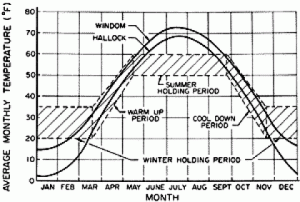
your grain check the “ Resources” section for articles on this topic.
2021 Field Trial Planning
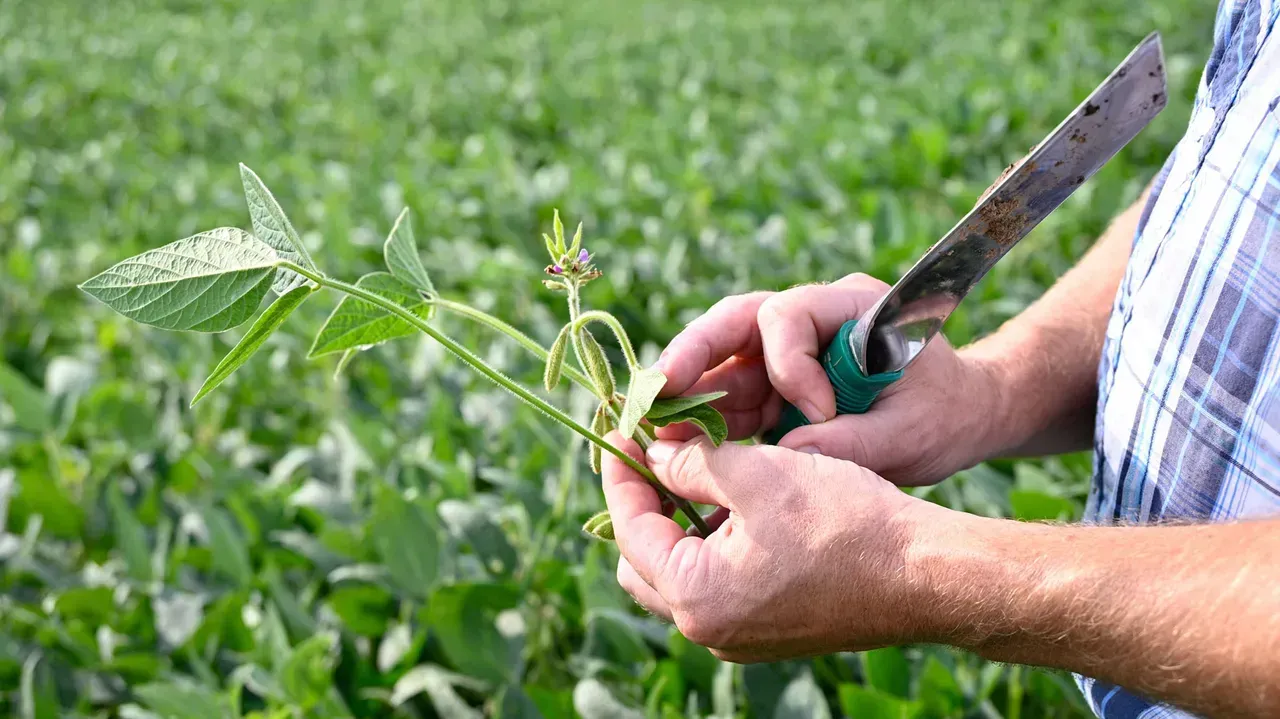
Now is a good time to start planning for our 2021 crop season trials that we want to test. With prepay coming up very soon you might start thinking about what tests you want to run and what products you might need. Trials that you might consider include nitrogen rate trials, sulfur applications on soybeans, and micronutrient trials. Many other possibilities exist, as well. On farm trials are important to any operation to make sure you are constantly exploring new ways to increase profitability and yield on the farm.
While planning your trials think about how you are going to measure these trials and what your success criteria are. Make sure that your success criteria can be measured (i.e. weighed, not eyeballed) and are reasonably attainable. Make sure that you have an area in the field is to serve as a non-treated check to measure against. Consider running the test in strips in fields to compare treatments across multiple productivity levels of your field. If you have any questions about setting up a field trial and planning one for next year, reach out to us. Don’t end next season with the same questions you have now!
Resources
- Grain Storage Article Library
- Minnesota Articles
The post Grain Storage and Handling/ 2021 Field Trial Planning appeared first on Greene Crop Consulting.